
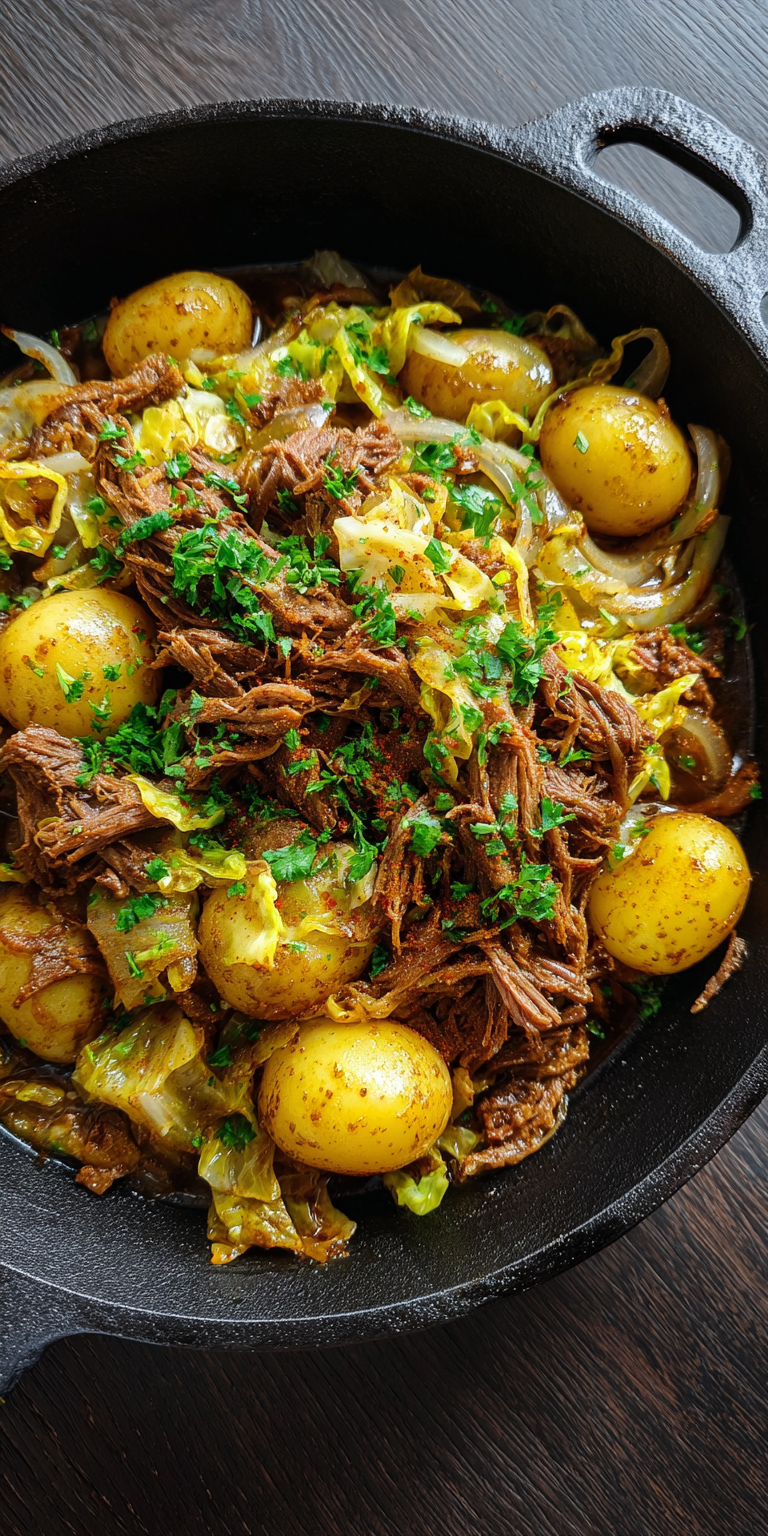
You’ve made corned beef and cabbage before. But you’ve never made it like this. I’m about to show you the secret that turns a classic boiled dinner into a flavor-packed skillet masterpiece.
This Fried Corned Beef and Cabbage Skillet is the one-pan wonder you need. It takes everything you love and gives it a serious texture upgrade. Forget soggy veggies and bland meat. We’re building layers of flavor right in the pan.
Ready to find out what makes my version so different? It all comes down to one simple swap and a technique that maximizes every ingredient. Let’s get your skillet hot.
Recipe Overview
Here’s the quick look at what we’re making. This is your roadmap for a perfect, easy dinner.
- Cuisine: American-Irish Fusion
- Category: One Pan Dinner, Skillet Meal
- Prep Time: 10 minutes
- Cook Time: 25 minutes
- Total Time: 35 minutes
- Servings: 4
The Secret Ingredient That Makes All the Difference
I’ve tested this a hundred ways. The game-changer isn’t a fancy spice. It’s the fat we use to cook.
We are not using the corned beef’s own fat. We’re starting with good bacon fat. That’s the secret. Rendered bacon fat has a smoky, savory depth that olive oil or butter just can’t match.
It fries the cabbage and onions with a rich, meaty base flavor. This creates a foundation that makes the corned beef taste even better. It’s the professional chef’s trick for building flavor from the very first step.
Why This Method is Better (My Pro-Tips)
Boiling mutes flavors. Frying in stages builds them. My method is all about control.
We cook the veggies first to get color and sweetness. Then we remove them. We fry the corned beef separately to get it crispy. This prevents steaming and keeps textures distinct.
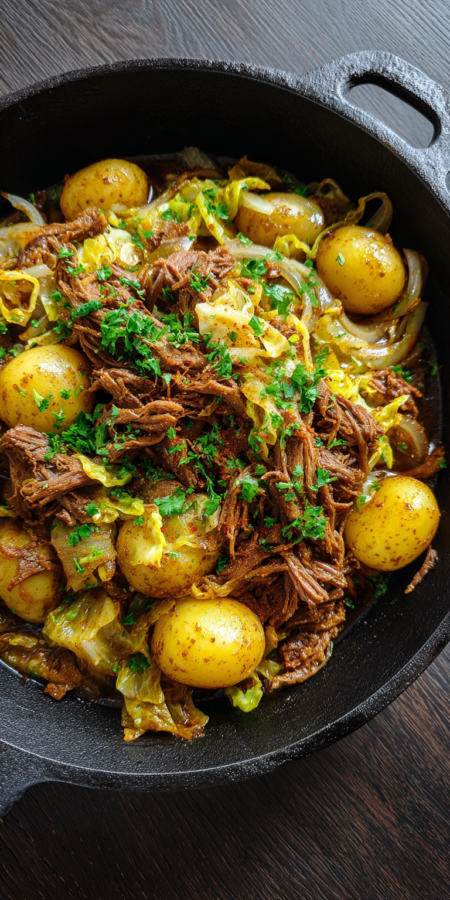
Fried Corned Beef and Cabbage Skillet Recipe
The “Upgraded” Ingredient List
The Pro-Method (Step-by-Step)
Notes
Enjoy your homemade Fried Corned Beef and Cabbage Skillet Recipe!
Nutrition Information
Combining them at the end is the final magic. Each component keeps its personality. You get sweet cabbage, crispy meat, and tender potatoes all in one bite. That’s the goal.
The “Upgraded” Ingredient List
Quality matters here. These simple ingredients, treated right, make a spectacular dish.
- 1 tbsp bacon fat (or avocado oil for a neutral start)
- 1 small head green cabbage, cored and sliced into 1-inch ribbons
- 1 medium yellow onion, sliced
- 3 cloves garlic, minced
- 1 lb cooked corned beef, chopped into 1/2-inch cubes
- 2 cups cooked, diced potatoes (leftover roasted are perfect)
- 1 tsp caraway seeds (optional, but highly recommended)
- Salt and black pepper to taste
- Fresh parsley, chopped (for garnish)
The Pro-Method (Step-by-Step)
Follow these steps in order. This sequence is designed for maximum flavor development.
- Heat the bacon fat in a large cast iron or heavy-bottomed skillet over medium-high heat.
- Add the sliced onion and cabbage ribbons. Season with a pinch of salt. Sauté for 8-10 minutes, stirring only occasionally. We want some browned, crispy edges.
- Push the veggies to the side. Add the minced garlic to the cleared space and cook for 30 seconds until fragrant, then mix it into the cabbage.
- Transfer the entire cabbage and onion mixture to a clean bowl. Don’t worry about wiping the pan.
- Add the cubed corned beef to the now-empty skillet. Let it cook undisturbed for 2-3 minutes to get a good sear on one side. Then stir and cook for another 3-4 minutes until crispy in spots.
- Add the cooked potatoes and caraway seeds (if using) to the skillet with the beef. Stir and cook for 3-4 minutes to heat the potatoes through and let them soak up the flavors.
- Return the cabbage and onion mixture to the skillet. Gently toss everything together. Cook for another 2-3 minutes just to reheat and combine.
- Taste and adjust seasoning with black pepper and more salt if needed. The corned beef is salty, so go easy.
- Garnish with fresh parsley and serve immediately, right from the skillet.
Common Mistakes & How to Fix Them
Even great cooks can run into issues. Here’s how to avoid the big ones.
Mistake 1: Crowding the pan with everything at once. This steams the ingredients instead of frying them. The fix is simple: cook in stages as the recipe directs. It gives you control.
Mistake 2: Using raw potatoes. They won’t cook through in time without burning the other ingredients. Always use pre-cooked potatoes. Leftovers are your best friend here.
Mistake 3: Over-stirring. You need to let the cabbage and corned beef sit in the hot pan to develop a sear. Constant stirring makes everything soft. Be patient and let the heat work.
Variations for the Adventurous Cook
Mastered the base recipe? Try these pro-level swaps to make it your own.
For a keto-friendly version, swap the potatoes for diced radishes or turnips. Sauté them until tender-crisp. They add a great bite without the carbs.
Add a splash of apple cider vinegar or a spoonful of whole-grain mustard at the very end. The acidity cuts the richness and brightens the whole dish instantly.
Try swapping the corned beef for pastrami or even thick-cut kielbasa. The method stays the same, but you get a totally new flavor profile.
Nutrition Notes
This is a hearty, satisfying meal. Here’s a basic breakdown per serving (approximate).
- Calories: ~380
- Protein: 25g
- Fat: 18g
- Carbohydrates: 28g
- Fiber: 6g
- Net Carbs (for Keto): 22g (omit potatoes for a truly keto-friendly meal)
Your Pro-Level Questions Answered
You’ve got questions. I’ve got the insider answers.
Can I use raw corned beef brisket for this?
I don’t recommend it. This recipe is designed for already cooked corned beef. The boiling or slow-cooking process for a raw brisket is a separate step that tenderizes it. Using it here would result in tough, chewy meat.
What’s the best way to store and reheat leftovers?
Store in an airtight container for up to 3 days. Reheat in a dry skillet over medium heat. The microwave will make it soggy. The skillet will bring back the crispy texture we worked so hard for.
My cabbage is watery. What did I do wrong?
You likely didn’t get the pan hot enough before adding it, or you stirred too much. High heat and letting it sit encourages evaporation and browning, not steaming. Make sure your pan is properly preheated.
A Few Final Secrets
This dish is more than a recipe. It’s a technique you can use for countless skillet meals. If you love this style of cooking, you should definitely try my Irish Cast Iron Skillet Corned Beef Colcannon Casserole next.
The magic is in treating each ingredient with respect. Give them space and the right heat. That’s how you turn simple components into something special. Remember, the best kitchen tool is your patience.
Now that you have the secret, go try it! Did the bacon fat change the game for you? What variations did you love? Let me know in the comments below and give this recipe a rating if it became your new favorite one-pan dinner!

 Tired of the 5 PM dinner panic? Grab my new 30-Minute Cookbook!