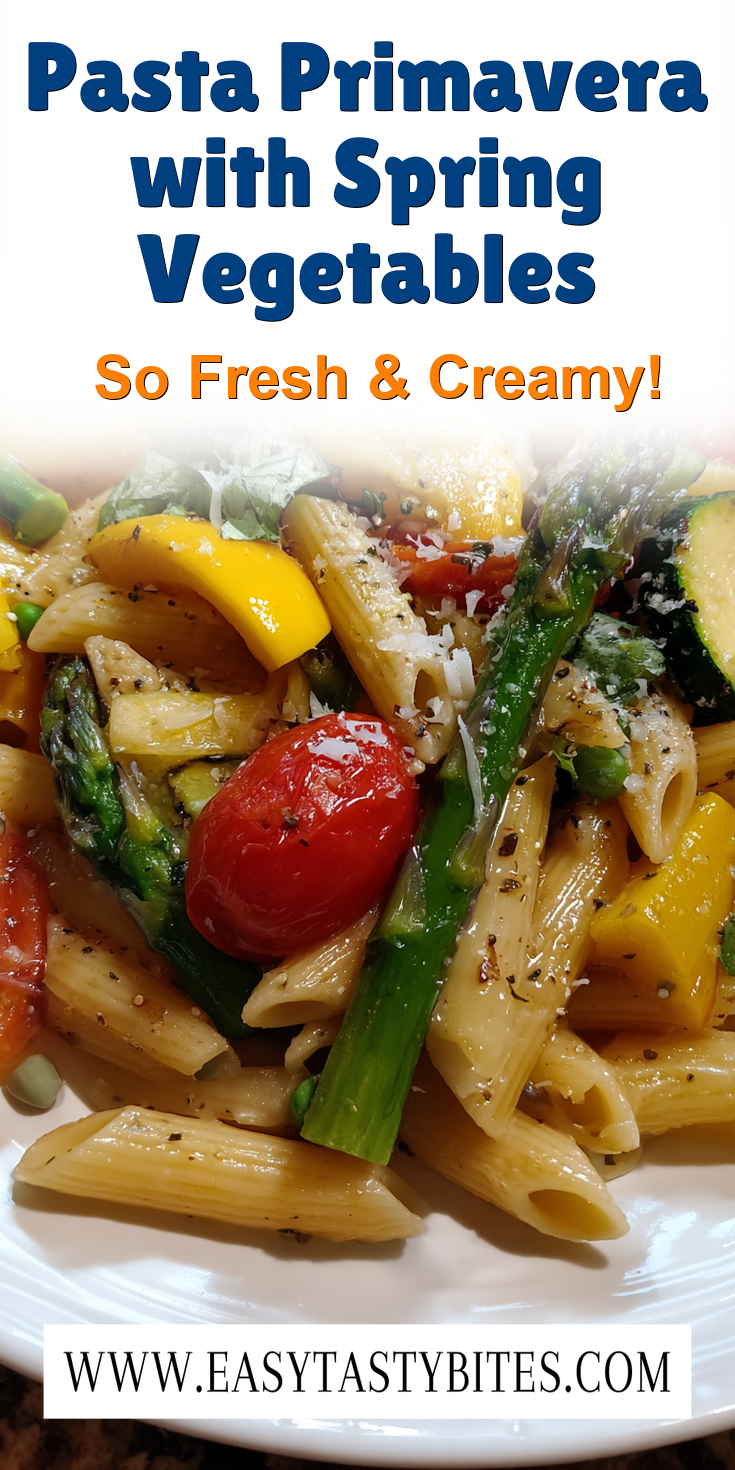
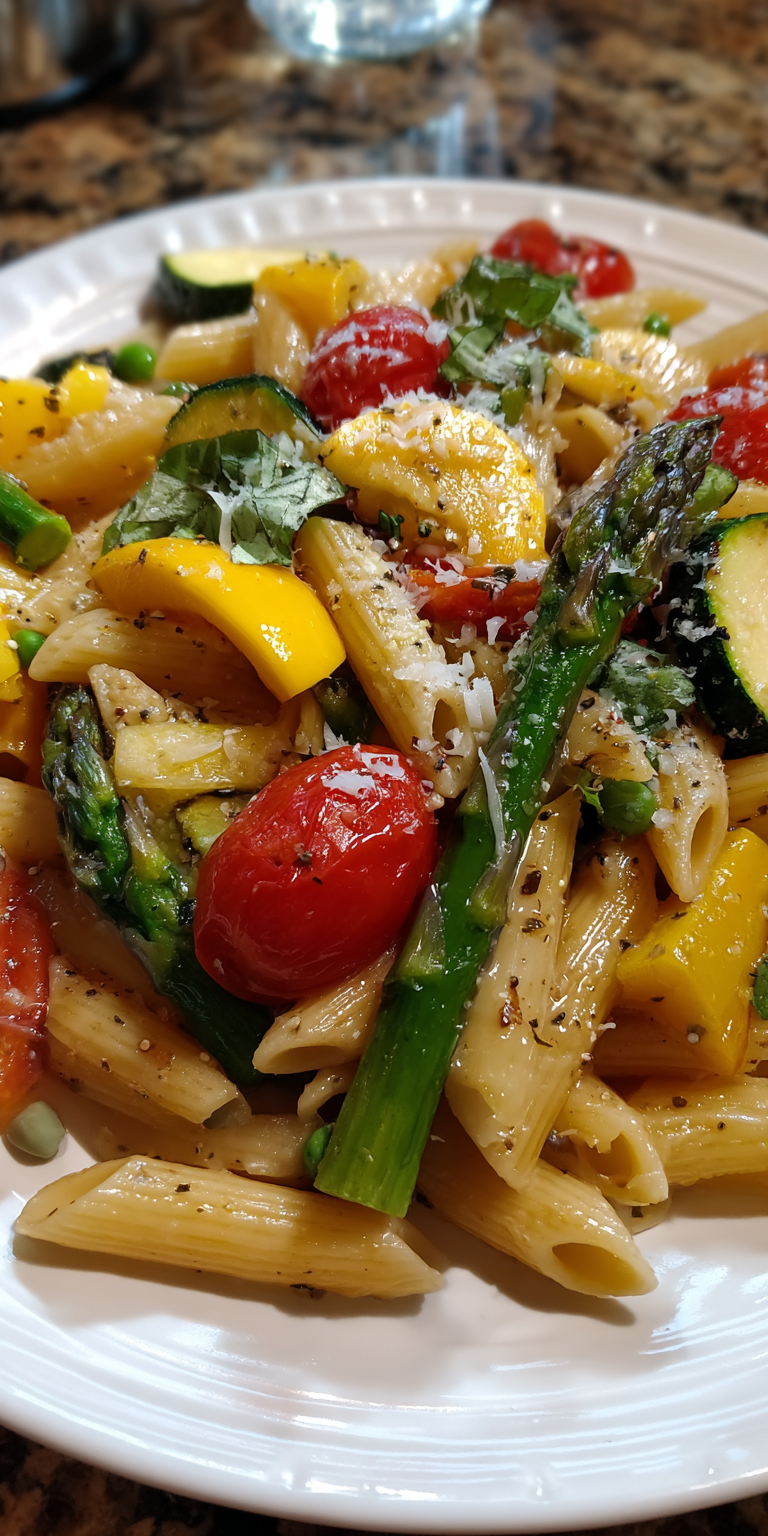
You’ve made Pasta Primavera with Spring Vegetables before. We all have. But I promise, you’ve never made it like this. It’s the perfect centerpiece for a light and vibrant spring or summer dinner.
The usual recipe is fine. It gets dinner on the table. But it often lacks that restaurant-quality punch, that bright, cohesive flavor that makes you want another bite immediately.
There’s one secret ingredient that bridges the gap between “good” and “can’t-stop-eating-it.” Ready to find out what it is?
Recipe Overview
This is your blueprint for the best primavera of your life. Bookmark this.
- Cuisine: Italian-Inspired
- Category: Main Course
- Prep Time: 15 minutes
- Cook Time: 20 minutes
- Total Time: 35 minutes
- Servings: 4
The Secret Ingredient That Makes All the Difference
I tested this for years. The answer isn’t a rare spice. It’s something you probably already have.
It’s a tablespoon of good miso paste. I know, it sounds wild for an Italian dish. But hear me out.
White or yellow miso brings a deep, savory foundation that Parmesan alone can’t. It melts right into the primavera sauce, adding a subtle, salty complexity.
It makes the sauce cling to every piece of penne pasta and every garden fresh vegetable. It’s the “what is that amazing flavor?” factor.
Why This Method is Better (My Pro-Tips)
Most recipes cook everything together into a soggy mess. We’re not doing that. We’re treating each component with respect.
Pasta Primavera with Spring Vegetables Recipe
The “Upgraded” Ingredient List
The Pro-Method (Step-by-Step)
Notes
Enjoy your homemade Pasta Primavera with Spring Vegetables Recipe!
Nutrition Information
The key is cooking the mixed vegetables in stages. Dense veggies like asparagus go in first. Delicate peas go in last.
This keeps every bite vibrant and crisp-tender. We also build the sauce right in the same pan, capturing all those delicious browned bits.
It’s a one-pan wonder, but with a chef’s mindset. That’s what makes this a true vegetarian dinner showstopper.
The “Upgraded” Ingredient List
Quality matters here. This is where you can really taste your effort.
- 12 oz penne pasta (or other short shape)
- 3 tbsp extra virgin olive oil, divided
- 1 medium shallot, finely chopped
- 3 cloves garlic, minced
- 1 bunch asparagus, trimmed and cut into 1-inch pieces
- 1 medium zucchini, halved and sliced
- 1 cup sugar snap peas or snow peas
- 1 cup cherry tomatoes, halved
- 1/2 cup frozen peas, thawed
- 1/2 cup dry white wine (or vegetable broth)
- 1 cup heavy cream or full-fat coconut milk for dairy-free
- 1 tbsp white or yellow miso paste
- 1 cup freshly grated Parmesan cheese, plus more for serving
- 1/4 cup fresh basil, thinly sliced
- Zest and juice of 1 lemon
- Salt and freshly cracked black pepper
The Pro-Method (Step-by-Step)
Follow these steps in order. Trust the process.
- Cook the penne in well-salted water until al dente. Reserve 1 1/2 cups of the starchy pasta water before draining.
- While the pasta cooks, heat 2 tbsp olive oil in a large skillet or Dutch oven over medium-high heat. Add the asparagus and zucchini. Cook for 4-5 minutes until just starting to soften and get some color. Remove to a plate.
- Add the remaining 1 tbsp oil to the pan. Add the shallot and cook for 1 minute. Add the garlic and cook for 30 seconds until fragrant.
- Pour in the white wine to deglaze the pan, scraping up any browned bits. Let it simmer for 2 minutes until reduced by half.
- Lower the heat to medium. Whisk the miso paste into the heavy cream until smooth. Pour this mixture into the pan. Add the Parmesan cheese and stir until melted and smooth.
- Add the sugar snap peas, cherry tomatoes, and the cooked asparagus and zucchini back to the pan. Toss to coat in the sauce. If the sauce is too thick, add the reserved pasta water a splash at a time until it coats the back of a spoon nicely.
- Add the drained pasta, thawed peas, lemon zest, and half the basil to the pan. Toss everything together vigorously for 1-2 minutes until the pasta is well-coated and hot.
- Finish with the lemon juice, remaining basil, and a final crack of black pepper. Taste and adjust salt only if needed (the miso and Parmesan are salty).
Common Mistakes & How to Fix Them
Even pros make errors. Here’s how to avoid the big ones.
Soggy Vegetables: You added everything at once. Remember my staged cooking. Dense veggies first, delicate ones at the end. This keeps that garden fresh texture.
A Broken, Greasy Sauce: The heat was too high when you added the cream and cheese. Always lower the heat before adding dairy. Gentle warmth is your friend for a smooth primavera sauce.
Bland Flavor: You didn’t season the pasta water like the ocean, and you skipped the pasta water in the sauce. That starchy water is liquid gold for flavor and texture. Never drain it all away.
Variations for the Adventurous Cook
Mastered the base recipe? Let’s play. These are my favorite pro-swaps.
Swap the cream for full-fat coconut milk and use nutritional yeast instead of Parmesan for a rich, dairy-free version. The miso is already your vegan flavor booster.
Add a pinch of red pepper flakes with the garlic for a subtle heat. Or, finish the dish with a drizzle of truffle oil for pure luxury.
In peak summer, use grilled vegetables. Charred corn, bell peppers, and eggplant add a incredible smoky depth to the dish. If you love cheesy pasta bakes, you must try our Shrimp Scampi Lasagna Rolls for another taste of cheesy pasta heaven.
Nutrition Notes
This is a hearty, balanced meal. Here’s a simple breakdown per serving.
- Calories: ~650
- Protein: 22g
- Carbohydrates: 75g
- Dietary Fiber: 8g
- Note: For a lighter version, you can reduce the cream by half and use more pasta water for the sauce base.
Your Pro-Level Questions Answered
These are the questions I get from my most dedicated readers.
Can I make the primavera sauce ahead of time?
You can, but with a caveat. Make the sauce base (through step 5) and keep it separate. Reheat it gently before adding freshly cooked vegetables and pasta. This keeps the veggies from getting mushy.
What other pasta shapes work best?
You want shapes that catch the sauce and veggies. Rigatoni, fusilli, or farfalle are all excellent choices. Long pasta like spaghetti can work, but it’s harder to get a perfect bite with all the components.
My miso is chunky and won’t blend in. Help!
Easy fix. Whisk it with a tablespoon of the warm cream or a splash of the pasta water in a small bowl first until it’s a smooth paste. Then, stir it into the main sauce. No more lumps.
A Few Final Secrets
You have the blueprint and the insider knowledge. Here’s the last bit of magic to send you on your way.
Always grate your Parmesan from a block. The pre-grated stuff has anti-caking agents that make your sauce grainy. The two minutes of extra work is non-negotiable for quality.
Serve this pasta immediately in warm bowls. This dish is about vibrant, fresh energy. Letting it sit dulls the magic you just created. For another light and vegetable-packed meal, my Spring Minestrone Soup is a fantastic choice.
Now that you have the secret, go try it! I want to hear all about it. Did the miso paste change the game for you? What spring vegetables did you use from your garden? Let me know in the comments below and give this recipe a rating if you loved it!